-
‘Thanking the mind’ Russ Harris
‘Worry Tree’. Rise above
‘Why mindfulness is a superpower’ Happify
https://www.youtube.com/watch?v=w6T02g5hnT4
‘Two Wolves’ Sharon Salzberg
Breathe like a man. Man therapy
Brene Brown on ‘Empathy'
‘Small talk saves lives’ Samaritans
Blue ringed octopus
https://vimeo.com/93821772?&login=true
A guide to worrying
https://www.reddit.com/r/videos/comments/5hk6g0/a_guide_to_worrying_exurb1a/
-
-
Why Being in Nature Boosts Your Attention - The New York Times
Geneshka, M., Coventry, P., Cruz, J., & Gilbody, S. (2021). Relationship between Green and Blue Spaces with Mental and Physical Health: A Systematic Review of Longitudinal Observational Studies. International Journal of Environmental Research and Public Health, 18(17), 9010. https://doi.org/10.3390/ijerph18179010
Braubach, M., Kendrovski, V., Jarosinska, D., Mudu, P., Andreucci, M.B., Beute, F., Davies, Z., de Vries, S., Glanville, J., Keune, H. and Lammel, A., 2021. Green and blue spaces and mental health: new evidence and perspectives for action.
Foley, R. and Garrido-Cumbrera, M., 2021. Why green and blue spaces matter more than ever. In COVID-19 and Similar Futures: Pandemic Geographies (pp. 281-289). Cham: Springer International Publishing.
White, M.P., Elliott, L.R., Grellier, J., Economou, T., Bell, S., Bratman, G.N., Cirach, M., Gascon, M., Lima, M.L., Lõhmus, M. and Nieuwenhuijsen, M., 2021. Associations between green/blue spaces and mental health across 18 countries. Scientific reports, 11(1), p.8903.
Runswick-Cole, K.(2016) Understanding this thing called autism. In Re-thinking autism.Diagnosis, identity and equality. ed Runswick-Cole, K., Mallett, R., and Tamimi, S. (2016) 1.p27. 1st edition
-
Frequently asked questions — Dancing Clay
What is Dancing Clay? Dancing Clay offers talking therapy with Phil Collier, a registered mental health nurse and Psychological Wellbeing Practitioner. Sessions are available online, in-person in Cornwall, and within natural outdoor spaces where appropriate.
Who is Phil Collier? Phil is a registered mental health nurse with training and experience in psychological therapies.
What types of therapy do you offer? We provide low‑intensity psychological interventions consistent with NHS IAPT approaches and brief guided self‑help. Work in natural settings emphasises embodiment and connection with environment alongside traditional talking therapy.
Who is Dancing Clay suitable for? Adults experiencing common and complex mental health difficulties such as low mood, mild to moderate anxiety, stress, adjustment difficulties, low self‑esteem, suicide safety planning and work with psychosis.
How are sessions delivered?
Online: video consultations via a secure platform.
In‑person: face‑to‑face sessions in Cornwall.
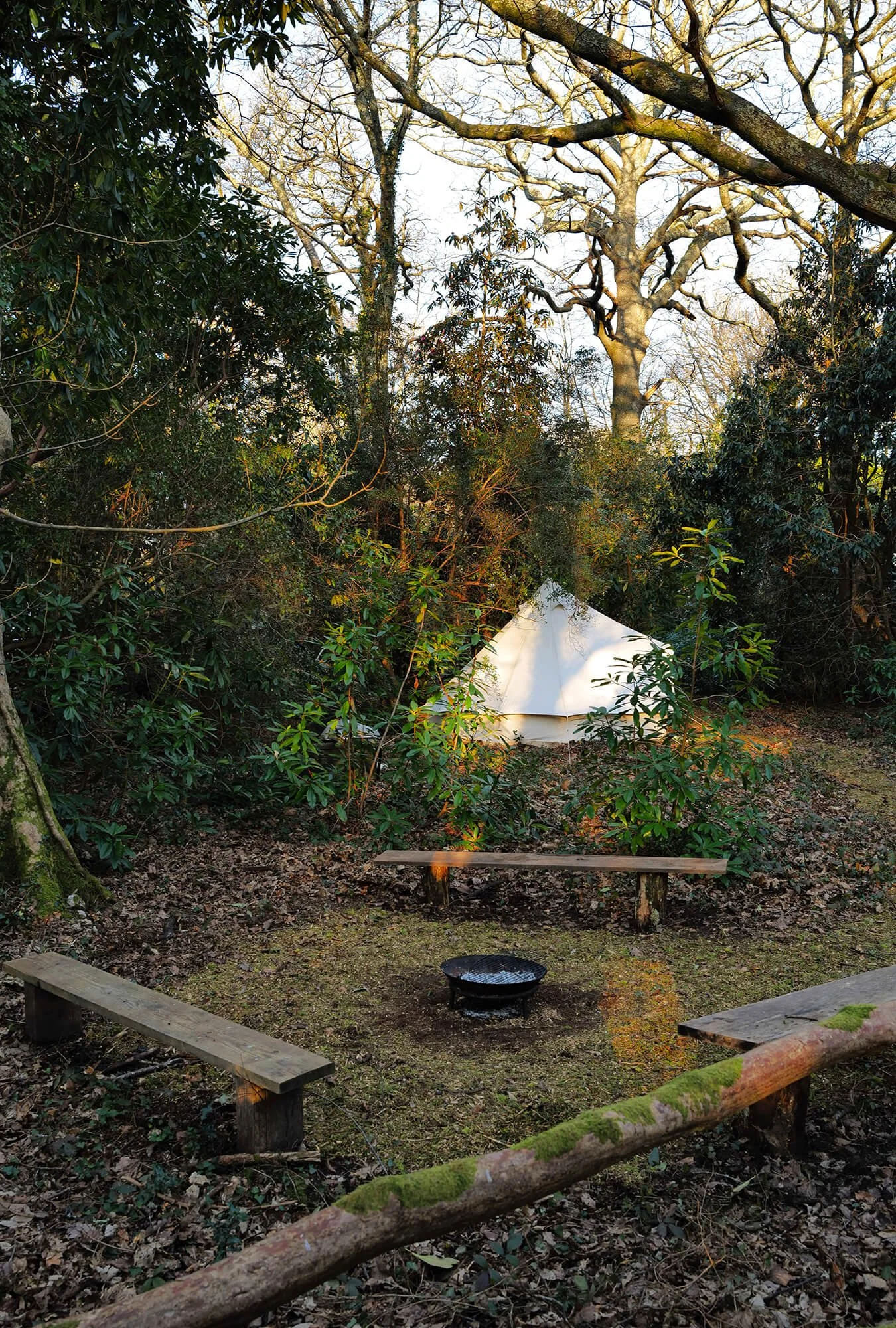
Outdoors: therapy walks or sessions in natural spaces when clinically appropriate and agreed by both parties.
How long is each session and how many will I need? Standard sessions are 60 minutes. The number of sessions depends on your needs and goals; short‑term interventions often range from 4–8 sessions, while some clients choose longer programmes. This is discussed in the initial assessment and cn be reviewed throughout the therapy.
What happens in an initial assessment? The first session is an assessment to understand your current difficulties, history, strengths, and therapy goals. We will discuss confidentiality, session format, risks, and practicalities, and agree a plan for therapy.
How much do sessions cost? The first session is free. We can then agree on a fee. I currently have a pricing structure detailed in my wedsite.
Do you accept referrals from the NHS or GPs? You can be self‑referred or referred by a GP/other professional. We can also discuss collaborative working with other services when appropriate.
Is therapy confidential? Yes. Conversations are confidential within professional and legal limits. Exceptions include serious risk of harm to you or others, safeguarding concerns, or court orders. These limits will be explained in the assessment and consent documentation.
Can I bring someone to my session? You can request a companion for the first assessment if needed. Ongoing sessions are usually one‑to‑one to support therapeutic work, unless a different arrangement is clinically indicated and agreed.
What if I need to cancel or reschedule? Please provide as much notice as possible. Cancellation and rescheduling policies, including any fees for late cancellations or missed appointments, will be provided on booking.
Are outdoor sessions safe in all weather? Outdoor sessions are offered when clinically appropriate and when safety can be maintained. We consider weather, accessibility, privacy, and mobility needs. Alternative indoor or online options are available if outdoor therapy is not suitable.
Do you work with clients remotely outside Cornwall or internationally? Remote therapy is generally offered within the UK where Phil is registered to practise. For clients outside the UK, legal, regulatory, and insurance considerations apply — please enquire before booking.
What if I am taking medication or receiving other mental health treatment? Medication and concurrent treatment are factors we discuss in assessment. Collaboration with prescribers or other professionals may be agreed with your consent.
How is progress measured? We use agreed goals, regular reviews and standardised measures where helpful to monitor progress and adapt the work. You will be involved in reviewing outcomes and deciding when therapy can end.
How do I get started? Contact Dancing Clay via the contact form on the website to arrange an initial conversation or assessment. This is free. We will discuss your needs, practical details, and available appointment times.
What if I’m in crisis or at immediate risk? If you or someone else is in immediate danger, call emergency services (999). If you are in crisis but not in immediate danger, contact your GP, local urgent mental health services, Samaritans (116 123), or NHS 111 (option 2) for urgent advice.
Accessibility and inclusivity We aim to make therapy accessible and will discuss reasonable adjustments for mobility, neurodiversity, sensory needs, language, or cultural considerations. Please raise any access needs when booking.
How is my personal data handled? Personal information is held securely in line with data protection laws and professional guidance. We will explain how information is recorded, stored, and shared, and obtain consent for necessary communications.
Further questions If your question is not covered here, please contact Dancing Clay with details and we will respond with tailored information.
All my work is evidence based. Please see links to peer reviewed papers, they have all have contributed to my practice. I’ve also included clips and contributions from a variety of sources you may find helpful.